Collaborate with BHIAR
Advancing aging research through scientific, translational, and institutional collaboration.
Ways to Work with BHIAR
We welcome collaborations that connect scientific research, institutional expertise, translation, and scientific exchange.
-
Scientific & Institutional Collaboration
We collaborate with researchers, laboratories, universities, research institutes, and scientific organizations on questions related to aging and age-related diseases.
Areas
Joint Research · Theory Development · Experimental Validation · Institutional Collaboration
Notes
Collaborations are developed around clearly defined scientific questions, complementary expertise, and appropriate research standards. The scope and structure of each collaboration are determined according to the needs of the project.
-
Translational & Industry Collaboration
We work with biotechnology companies, translational researchers, and other partners to explore the development of scientific findings into potential interventions for aging and age-related diseases.
Areas
Therapeutic Targets · Biotechnology · Drug Development · Preclinical and Clinical Translation
Notes
Translational collaborations may involve intellectual property, confidentiality, regulatory, governance, or development considerations. Appropriate arrangements are determined according to the nature and stage of each project.
-
Scientific Communication & Publishing
We collaborate on scientific publications, books, interviews, educational initiatives, and other forms of communication that contribute to rigorous public and academic discussion of aging research.
Areas
Academic Publishing · Books · Scientific Communication · Interviews and Educational Content
Notes
Scientific accuracy, appropriate attribution, editorial independence, and clarity of communication are important considerations in these collaborations.
-
Events & Scientific Exchange
We participate in and develop opportunities for scientific exchange through seminars, conferences, webinars, institutional visits, and other research-focused events.
Areas
Seminars · Conferences · Webinars · Institutional Visits · Scientific Exchange
Notes
Event collaborations are considered according to scientific relevance, format, audience, scheduling, and alignment with BHIAR’s research and communication priorities.
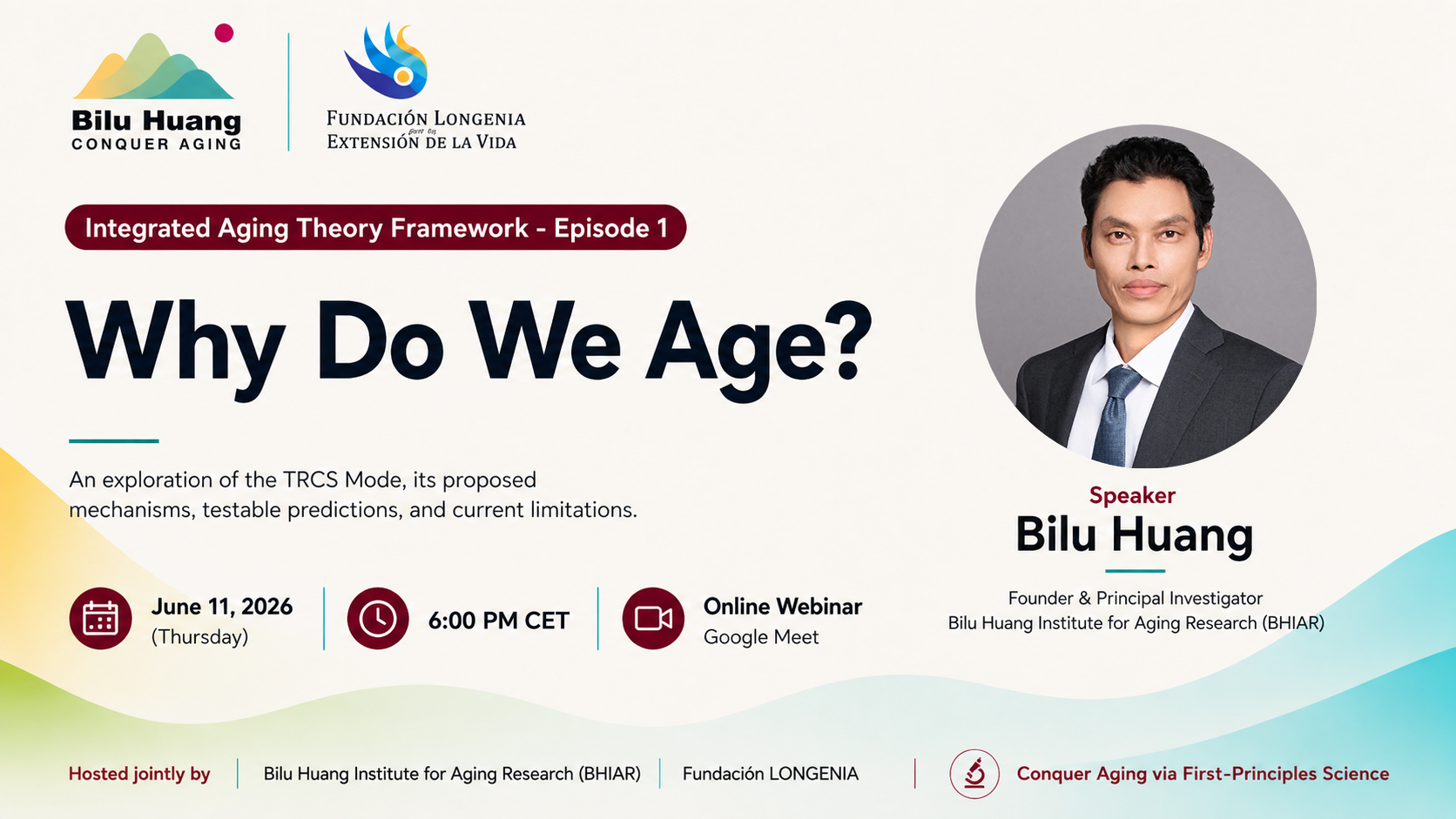
Integrated Aging Theory Framework Dialogue Series
In collaboration with Fundación LONGENIA
What We Look For
We value collaborations built on scientific rigor, shared purpose, complementary strengths, and the potential to create lasting value.
-
Scientific Rigor
Collaboration should be grounded in serious scientific reasoning, testable ideas, and appropriate evidence.
-
Mission Alignment
Projects should meaningfully contribute to understanding aging or developing approaches to aging and age-related diseases.
-
Complementary Strengths
We value collaborations in which each party contributes distinct expertise, capabilities, resources, or perspectives.
-
Long-Term Value
We favor relationships capable of creating durable scientific, translational, or societal value rather than purely transactional engagement.
How Collaboration Begins
Most collaborations begin with a simple conversation. From there, we explore whether there is a meaningful basis for working together.
-
01
Initial Contact
Tell us briefly who you are, what you are working on, and why you believe there may be a meaningful basis for collaboration.
-
02
Internal Review
Our team considers the scientific, strategic, operational, and, where relevant, legal or intellectual property aspects of the opportunity.
-
03
Exploratory Discussion
If there appears to be a meaningful fit, we arrange an initial conversation to explore objectives, potential contributions, and possible ways of working together.
-
04
Confirm Collaboration
Where appropriate, both parties further confirm the scope of collaboration, responsibilities, governance, intellectual property, funding, publication, and other relevant arrangements.
-
05
Formalize the Agreement
Once the scope, responsibilities, governance, and relevant terms have been agreed, the parties complete the necessary collaboration agreement, memorandum of understanding, or other formal documentation.
-
06
Begin Collaboration
Once the necessary documents and arrangements are in place, the collaboration moves into the implementation phase.
Our Collaborations
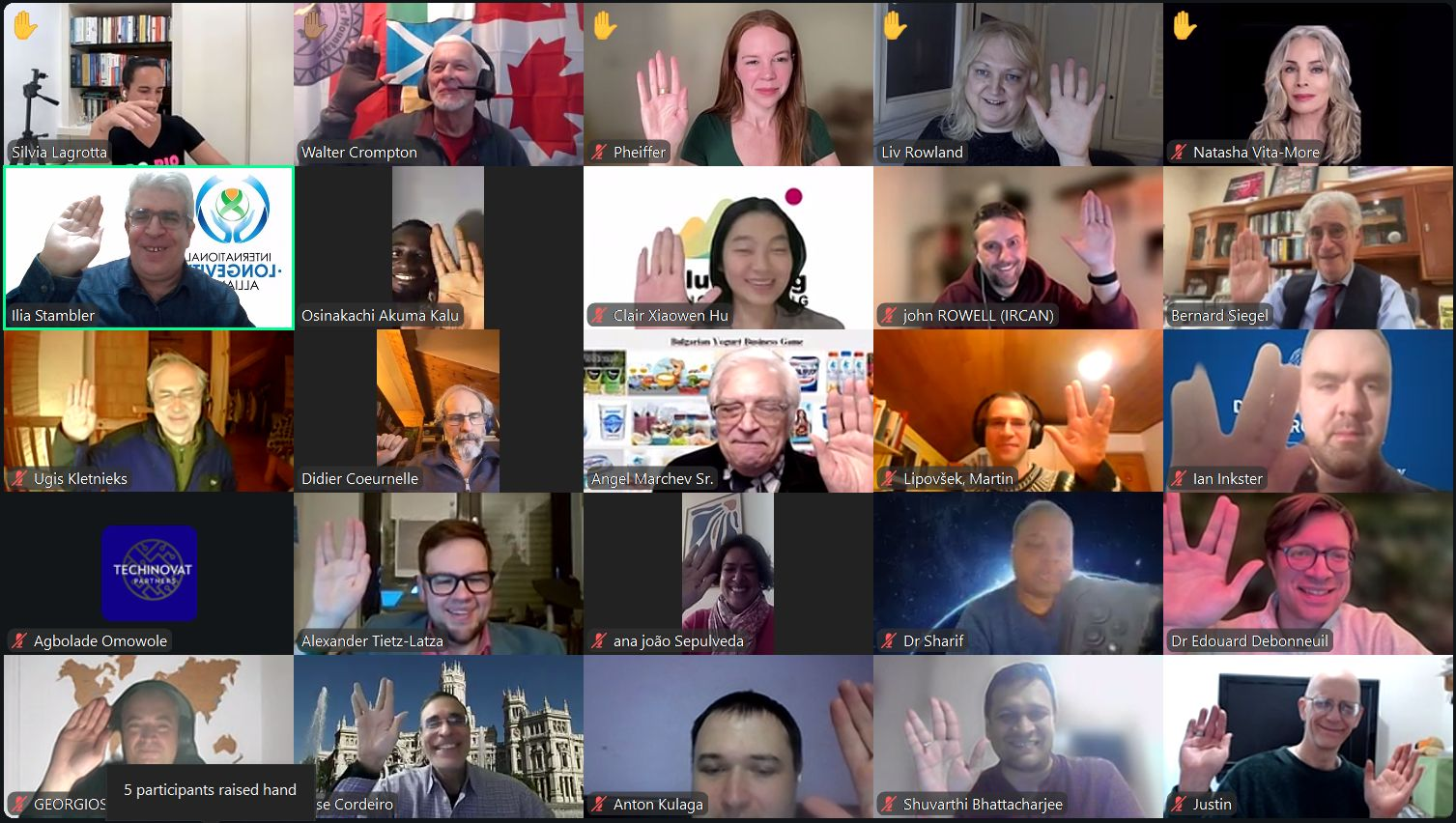
BHIAR works with research institutions, foundations, scientific organizations, and other partners across different regions and disciplines.
These collaborations support scientific exchange, research development, public engagement, and the translation of ideas into broader impact.
Explore Global CollaborationsHave an idea worth exploring?
If you believe your work, institution, technology, resources, or expertise could complement BHIAR’s research mission, we’d be glad to hear from you.